
Blog
The Hidden Cost of Cheap AV Equipment: Why Commercial Grade Matters

Marques Manning, CTS-D, CTS-I
•
The $8 Cable That Nearly Derailed a Half-Million Dollar Investment
Picture this: a stunning new training facility nestled in a wooded environment, designed by talented architects, equipped with state-of-the-art audiovisual technology for combining and dividing spaces, building-wide music distribution, and high-end conferencing capabilities. The space generates revenue, hosts critical training sessions, and represents a significant investment in the organization's future.
Then comes the day of user training. Everyone gathers with coffee in hand, ready to learn the system. Nothing works. No signal reaches the displays. The culprit? An $8 braided HDMI cable purchased online. This real scenario illustrates a critical truth about commercial AV implementations: the most sophisticated system design, the most careful planning, and the most expert installation can all be undermined by a single budget decision made without proper guidance.
Understanding Total Cost of Ownership in Commercial AV
The concept of total cost of ownership extends far beyond the price tag attached to equipment purchases. When you invest in a commercial AV system, you're making a decision that impacts your organization for five, ten, potentially fifteen years. Every component choice reverberates through that entire timeline.
Consider that $8 cable scenario. What happens when a client arrives to rent the space? They plug in their laptop. No signal appears. Minutes tick by as they troubleshoot. Confusion mounts. Confidence in the facility erodes. The meeting gets postponed or relocated. Revenue disappears. Your organization's reputation takes a hit.
The math becomes stark: spending appropriately upfront means investing once in solutions that work consistently. Cutting corners means paying twice, sometimes three times, for the same functionality while absorbing hidden costs in downtime, support hours, lost productivity, and diminished user confidence along the way.
Why Commercial Grade Equipment Differs from Consumer Solutions
The distinction between commercial and consumer equipment runs deeper than marketing labels and price points. Consumer displays, designed for home use, might run a few hours daily in climate-controlled environments with minimal stress. Commercial displays face continuous operation in varied conditions, requiring robust cooling systems, industrial-grade components, and construction designed for longevity. The warranty difference tells the story: consumer products typically offer 90 days of parts and labor, while commercial solutions provide 3 to 5 years.
This principle extends across every equipment category. A 30-foot HDMI cable carrying 4K content at 60 frames per second requires specific bandwidth capacity, proper shielding, high-quality pin construction, and verified signal integrity. The physics don't care about marketing claims or attractive pricing. Either the cable can handle the data throughput, or it cannot.
Commercial-grade components undergo rigorous testing, meet industry standards, and include proper certifications for installation environments. When specifications mention plenum ratings, NRC values, or HDCP compatibility, these aren't abstract concepts; they're requirements based on building codes, physics, and functional necessity.
The Testing and Verification Process Behind Reliable Systems
Building systems that work consistently requires more than selecting equipment from manufacturer catalogs. It demands a systematic approach to testing, verification, and validation before any component enters a commercial deployment.
Professional AV integrators maintain dedicated testing environments where products are tested in real-world scenarios. They don't rely on manufacturer claims or free samples. They purchase equipment through normal channels and subject it to stress testing. Cameras stream continuously for forty-eight or seventy-two hours. Content of varying formats, resolutions, and HDCP configurations flows through cables and processors. Different user groups interact with interfaces to evaluate intuitiveness and accessibility.
This verification process transforms theoretical system designs into proven solutions. It builds confidence that recommendations rest on demonstrated performance rather than optimistic projections.
The Compounding Effect of Budget-Driven Compromises
Value engineering conversations often focus on reducing upfront costs without fully accounting for downstream consequences. Every compromise creates ripples that extend through the project timeline and into operational reality.
Consider architectural and construction decisions that impact AV functionality. Choosing not to extend walls to the deck saves construction costs but allows sound to flow freely between spaces. Selecting ceiling tiles with lower noise-reduction ratings cuts material expenses but degrades acoustic performance. These choices cannot be corrected through technology. No microphone array, no digital signal processing, no advanced algorithm can defeat the physics of sound transmission through inadequate barriers.
Each compromise individually might seem manageable. Collectively, they create systems that work marginally rather than excellently, that struggle with growth, that require constant attention rather than reliable operation.
Building Long-Term Value Through Strategic Investment
The path to lasting value begins with an honest assessment of organizational needs, realistic budget conversations, and partnership with advisors who prioritize sustainable solutions over transactional relationships.
This process starts early, ideally during space planning and architectural design phases. Technology considerations influence room dimensions, ceiling heights, wall construction, infrastructure pathways, and countless other decisions that become expensive or impossible to modify after construction is complete.
Organizations making strategic technology investments recognize they're building legacy assets that support operations, enable communication, facilitate training, and project professional capability. The decision framework shifts from minimizing upfront costs to maximizing long-term value.
Your Communication Dreams Deserve a Proper Technical Foundation
Technology investments ultimately serve human aspirations. The training facility exists to develop talent. The conference spaces enable collaboration. The presentation systems communicate ideas that drive organizational success. These communication dreams deserve technical foundations that support rather than undermine their potential.
Choosing commercial-grade solutions, working with experienced partners, and investing appropriately in infrastructure and components: these decisions represent a commitment to excellence and recognition that lasting value requires a solid foundation. Your organization's communication vision merits systems that work consistently, support teams that respond knowledgeably, and partnerships built on trust and demonstrated expertise.
Explore more insights
Why Complex AV Projects Fail: The Critical Early Phase That Makes or Breaks Success
Complex AV projects fail when organizations skip stakeholder buy-in and early planning.
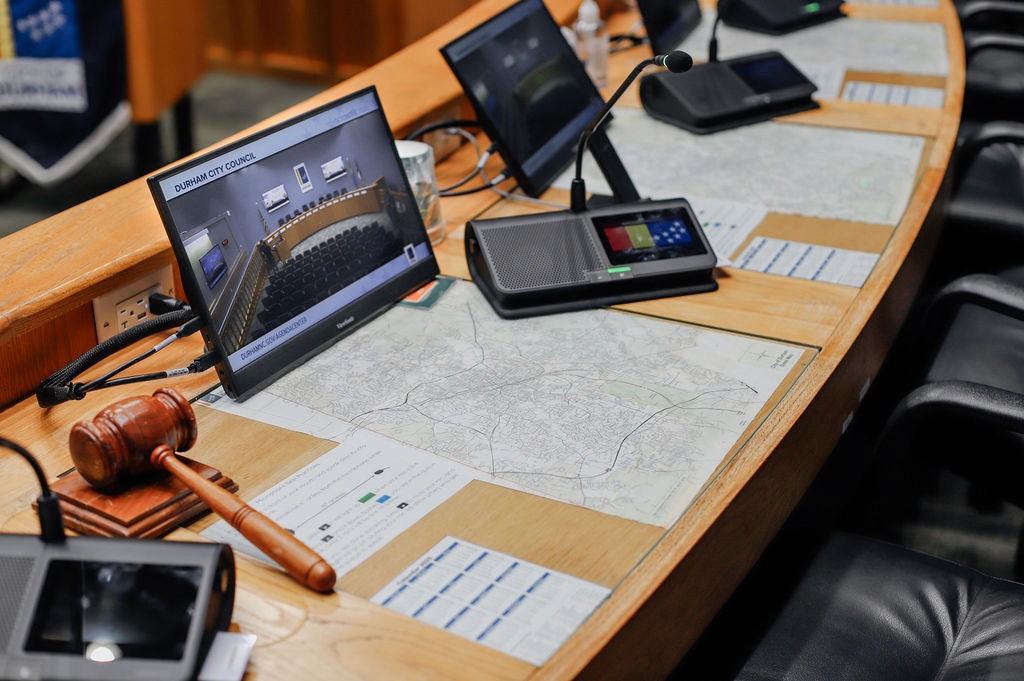
From Student Vision to Industry Innovation
We talk KONTEK's journey transforming how organizations communicate through cutting-edge technology.

From Classroom Dreams to Corporate Reality: 30 Years of Innovation
Experience how Kontek brings ambitious communication dreams to life through decades of hands-on experience.
Let’s build your dream AV project together.
Strategic, precise guidance to turn communication goals into systems that perform where it matters most.